
Microblading
What Is Microblading?
What is microblading? Microblading is a semi-permanent eyebrow tattoo technique used to create fuller, natural-looking brows. A trained artist uses a fine handheld tool to deposit pigment into the upper layers of the skin, creating hair-like strokes that mimic real eyebrow hairs.
At Frida Microblading Studio in St. Louis, Missouri, microblading is fully customized to each client’s face shape, skin type, and desired brow style for beautiful, balanced results.
How Does Microblading Work?
During your microblading appointment, your brow shape is carefully mapped and approved before any pigment is applied. A sterile microblading tool is then used to create precise strokes that blend naturally with your existing brow hair. The session typically takes about two to three hours.
How Long Does Microblading Last?
Microblading results typically last between 12 to 24 months depending on skin type, lifestyle, and aftercare. Touch-up appointments are recommended to maintain long-lasting results.
Who Is Microblading Best For?
Microblading is ideal for individuals who have sparse brows, over-plucked brows, uneven brows, or those who simply want a more defined and youthful look without daily makeup.
What Is the Difference Between Microblading and Powder Brows?
Microblading creates individual hair strokes, while powder brows offer a soft, makeup-filled appearance. Many clients choose nano or combo brows for the best of both techniques.
Microblading in St. Louis, Missouri
If you are searching for professional microblading in St. Louis, St. Charles, Ballwin, Chesterfield, or St. Peters, Frida Microblading Studio offers expert brow services with natural, long-lasting results.
Book your microblading consultation today and wake up every day with confidence.
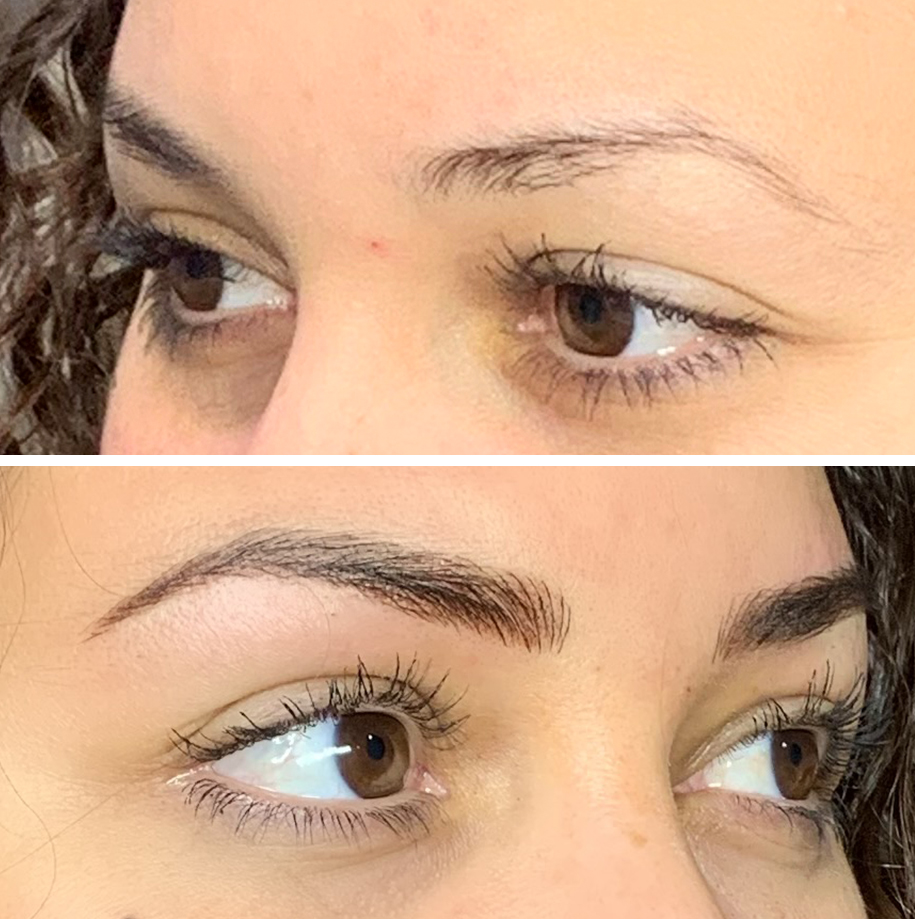
Before and after microblading
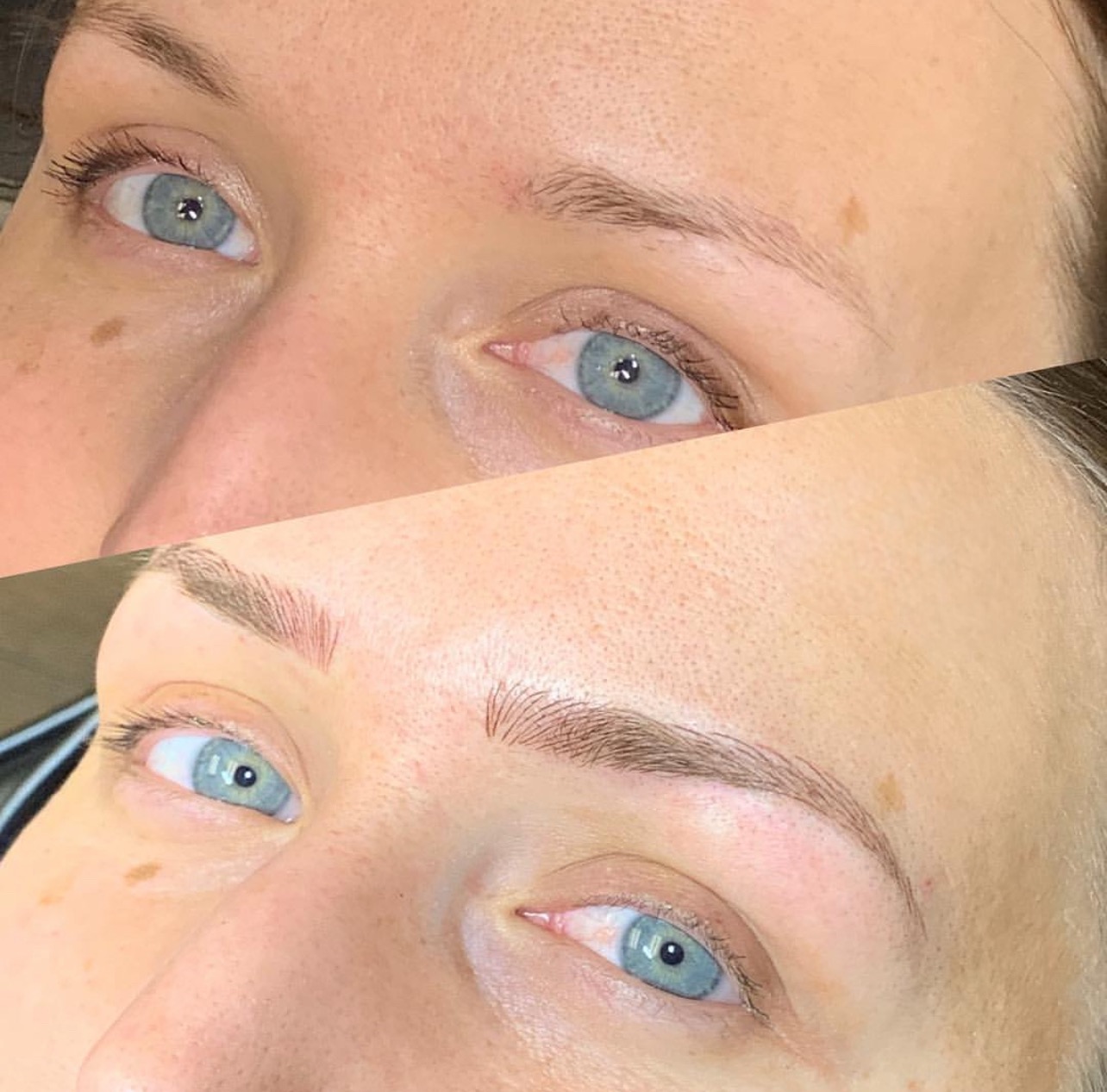
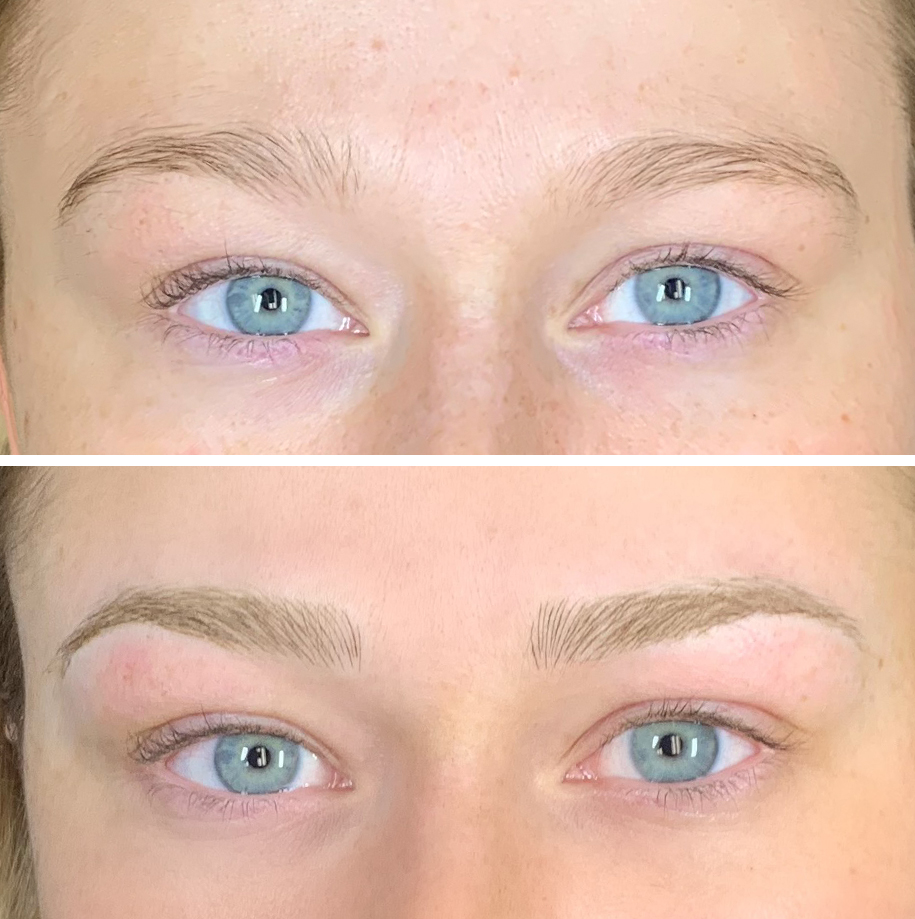
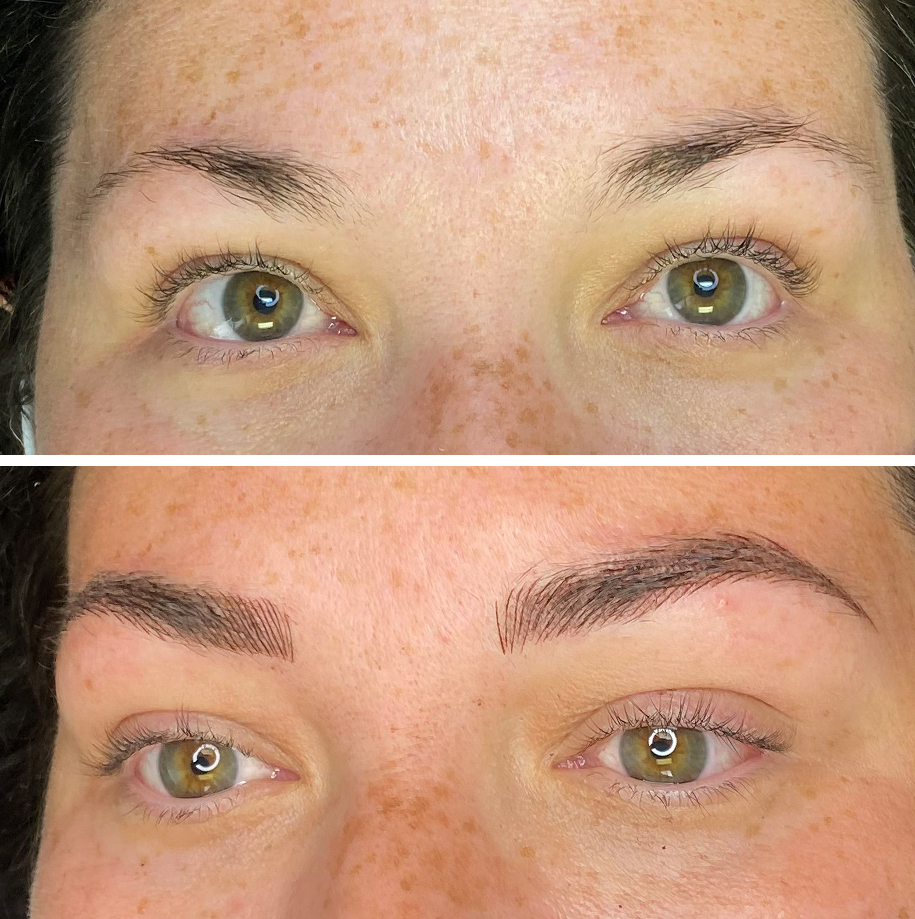
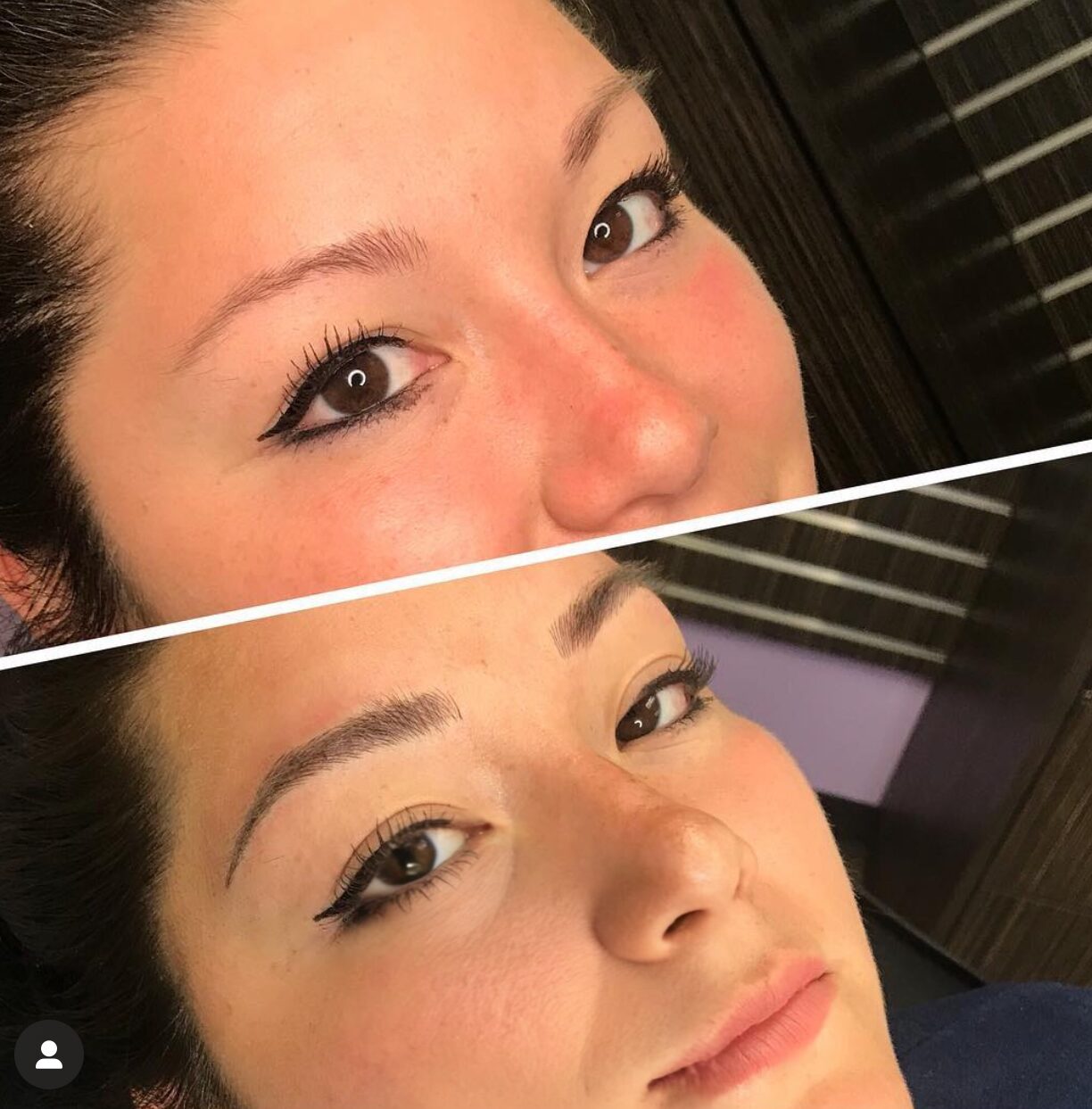
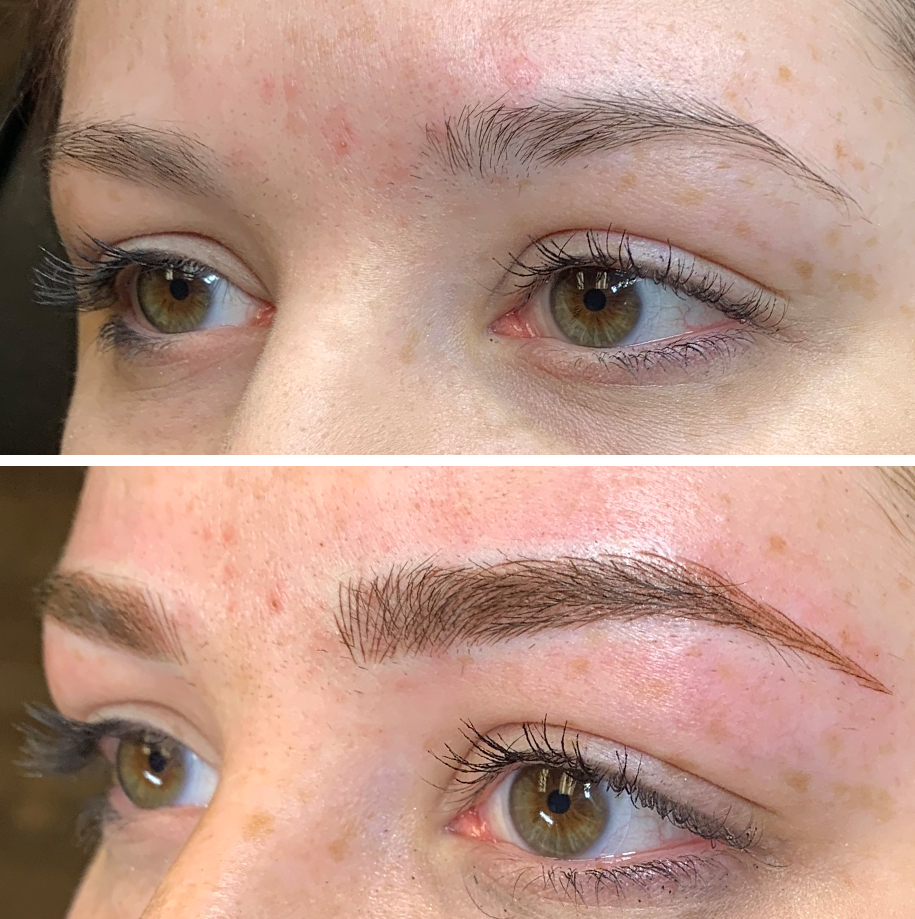
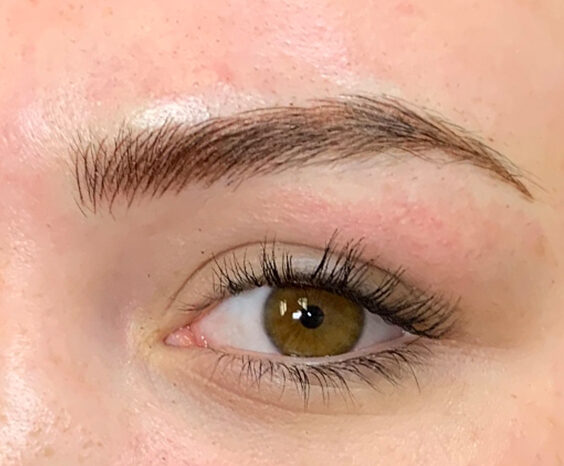
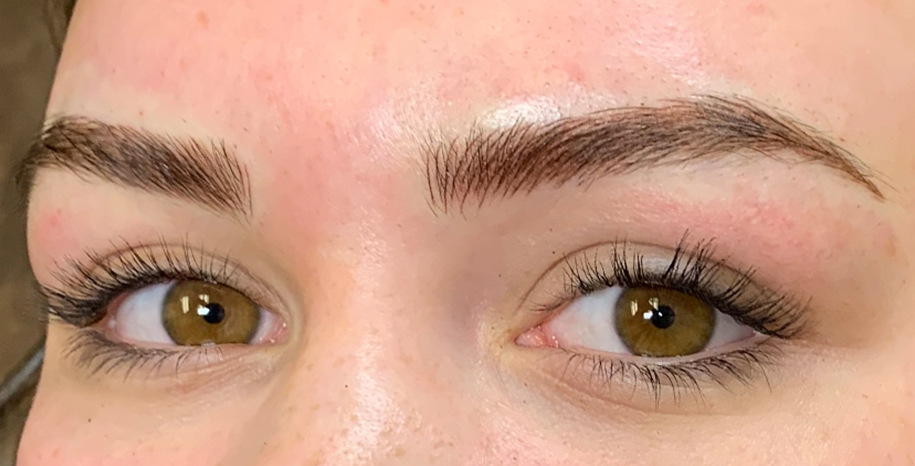
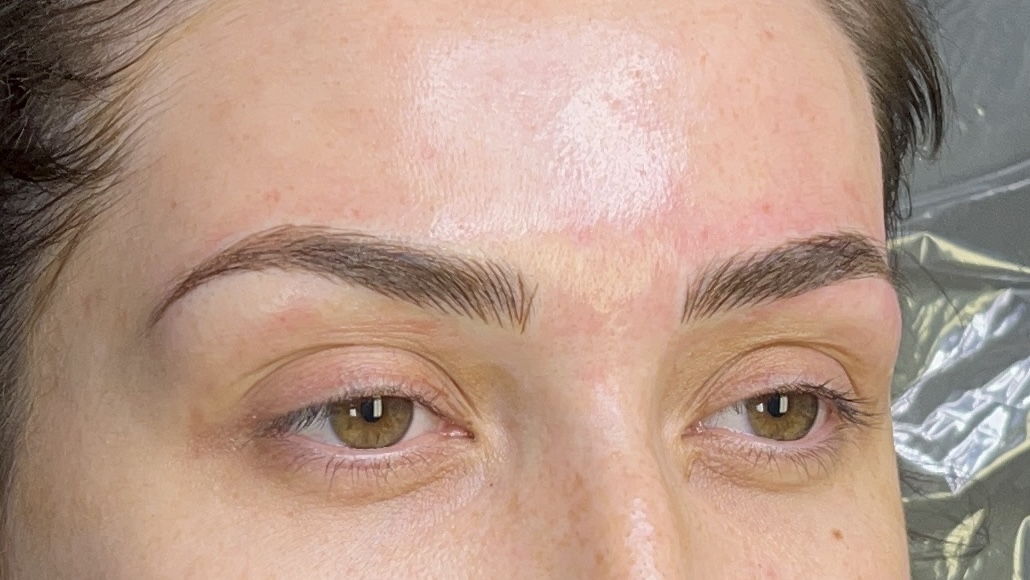
CLIENT TESTIMONIAL
Microblading vs. POWDER BROWS
Microblading uses fine, hair-like strokes for a subtle and natural brow enhancement — ideal for those seeking a light, feathered effect. It’s best suited for normal to dry skin.
Powder Brows/Microshading, on the other hand, offers a soft powder finish combined with light strokes, resulting in a more defined and fuller look that works well for all skin types.
If you prefer a polished, makeup-like finish that still looks natural, microshading may be the better option.
Women across St. Louis and surrounding areas choose us for microblading because we specialize in natural-looking results that age gracefully. With premium pigments, careful mapping, and artistic precision, we customize every brow for your skin tone, bone structure, and personal style. Your microblading heals soft, delicate, and very natural — never harsh or dramatic.
Our St. Louis microblading clients enjoy long-lasting results, time savings, and confidence knowing their brows stay beautiful from morning to night. Whether you have sparse brows, uneven shapes, or simply want to wake up ready, this technique provides a polished, effortless look.
Transparent Pricing
Wondering about the cost of microshading or microblading? We offer competitive pricing based on service type and artist experience. Our pricing reflects the quality of our pigments, tools, and hygiene standards.
Preparation Instructions
1. Avoid Blood Thinners: For at least 24 hours before your appointment (please contact your Dr. before), refrain from taking blood-thinning medications or supplements, such as aspirin, ibuprofen, vitamin E, and fish oil, as they can increase bleeding during the procedure.Always consult with your doctor if you’re unsure.
2. No Alcohol or Caffeine: Avoid alcohol and caffeine for 24 hours before your session, as they can increase blood flow and sensitivity, which may affect the final results.
3. No Tanning or Sun Exposure: Please avoid direct sun exposure or tanning beds for at least one week before your appointment to prevent skin irritation and ensure the best results.
4. Skip Eyebrow Waxing/Threading: Refrain from waxing, threading, or tweezing your eyebrows at least 48 hours before your appointment. Allow your brows to grow out to their natural shape for optimal results
5. Avoid Skincare Products with Retinol: For at least a week before your appointment.
6. Arrive Without Makeup on Brows
7. Stop using Rettin A hydroquinone 8 weeks prior.
Microblading Aftercare Instructions
To ensure your microblading heals properly and retains its best results, please follow these aftercare guidelines:
1. Avoid Touching the Area: Do not touch, rub, or scratch your eyebrows after the procedure. Touching the area can introduce bacteria and interfere with the healing process.
2. Keep Brows Dry: For the first 7-10 days, avoid getting your brows wet. This includes avoiding swimming, steam rooms, saunas, and heavy sweating (i.e., workouts). During this time, gently clean your brows with a damp, clean cotton pad and avoid excessive moisture.
3. Apply the Ointment: Your technician will provide an aftercare ointment. Apply a thin layer to the treated area as instructed, typically 2-3 times a day, for the first 7 days. Be sure to use a clean cotton swab or your fingertips to apply the ointment.
4. Avoid Makeup on the Brows: Do not apply makeup to the brow area for at least 10 days after the procedure to avoid irritation and infection.
5. Avoid Sun Exposure: Keep your brows out of direct sunlight for at least two weeks. Sun exposure can cause the pigment to fade more quickly and can irritate the skin.
6. No Exfoliation or Scratching: Do not pick, peel, or scratch at scabs. As your brows heal, they will naturally scab and flake off. Allow them to fall off on their own, as picking can cause scarring and uneven results.
7. Avoid Harsh Skin Products:For at least 2 weeks, avoid using any skin-care products with retinol, glycolic acid, or exfoliating agents on or around your brows.
8. Avoid Sleeping on Your Face: Try to sleep on your back for the first 10 days to avoid putting pressure on your brows, which could affect the healing process.
9. Monitor Healing: It’s normal for your brows to look darker initially and then fade as they heal. The healing process can take 4-6 weeks, during which time the color will soften and settle. If you notice any signs of infection (such as redness, swelling, or pus), contact your technician immediately.
10. Follow-Up Touch-Up Appointment: After your brows have fully healed (usually 6-8 weeks), a touch-up session may be needed to perfect the shape and color. This is normal and ensures that your brows look their best.
By following these aftercare instructions, you’ll help ensure your microblading heals properly and that your brows look stunning for months to come.
Microblading Healing Stages
The healing process for microblading typically takes around 4-6 weeks, during which your brows will go through several stages. Here’s what you can expect:
Day 1-2: Immediate Aftercare
Appearance: Your brows will appear darker, more defined, and possibly swollen or tender right after the procedure. This is completely normal and expected.
What to Do: Follow your aftercare instructions closely. Apply the provided ointment and keep your brows clean and dry.
Day 3-4: Initial Healing
Appearance: Your brows may begin to scab and flake as the skin starts to heal. The pigment may appear darker at first but will begin to soften and lighten during this stage.
What to Do: Continue to apply the aftercare ointment and avoid wetting your brows. Do not scratch, pick, or peel the scabs, as this can lead to uneven healing or scarring.
Day 5-7: Flaking and Peeling
Appearance: The scabs will start to flake off naturally, revealing lighter and softer pigment beneath. Your brows may appear patchy during this stage as some areas heal faster than others.
What to Do: Be patient and resist the urge to pick at the scabs. Gently clean the area as instructed and continue to apply ointment.
Week 2-3: Early Healing
Appearance: By now, most of the scabs should have fallen off, and your brows may appear softer and lighter. It’s common for the color to fade by up to 30-50% during this period.
What to Do: Avoid any sun exposure, makeup, or harsh skincare products on the brow area. Continue gentle care and moisturizing as directed.
Week 4-5: Settling Phase
Appearance: Your brows will begin to look more natural as the pigment settles. The color should start to balance and soften, and the overall shape will become clearer.
What to Do: Continue to avoid any exfoliating products or harsh treatments near your brows. Your skin should feel more comfortable, and the healing process will be well underway.
Week 6: Final Healing
Appearance: By now, your brows should have fully healed, with the color stabilized. The final result should appear soft, natural, and defined, with any fading and patchiness corrected.
What to Do: If necessary, schedule a touch-up appointment with your technician to perfect any areas that need additional color or shaping.
Note: Healing times can vary from person to person. Some individuals may heal faster or slower.
By following proper aftercare, you’ll ensure your microblading heals smoothly and retains its beautiful, natural results.
Microblading vs. Other Brow Options
Eyebrow Tattoo vs. Microblading: Traditional eyebrow tattoos use deeper ink, resulting in a more permanent and sometimes harsher appearance. In contrast, microblading uses surface-level pigment, creating a softer, more natural look that mimics real hair strokes.
Microblading vs. Powder Brows: While microblading creates fine hair-like strokes for a natural look, powder brows offer a “makeup-like” filled-in effect. Powder brows are ideal for oily skin or clients looking for a more defined, fuller brow.
Microblading FAQs
Does microblading hurt?
Most clients describe the sensation as mild discomfort. A topical numbing cream is used to keep you comfortable throughout the procedure.
Is microblading safe?
Yes, when performed by a certified professional using sterile tools and high-quality pigments.
How long does healing take?
Initial healing takes about 7 to 10 days, with full color results visible by 4 to 6 weeks.
How long does microblading last
Individuals may need to maintain microblading between 1 to 3 years, depending on their skin type, lifestyle, and level of sun exposure. The duration of maintenance can vary from person to person. People with oily skin may experience faster pigment fading and require more frequent touch-ups. It is important to note that final results cannot be guaranteed as everyone’s skin type is unique and breaks down pigment differently. Neglecting touch-ups can result in a slight haze in the microbladed area over time. Nevertheless, this haze can still serve as a helpful guide for filling in your brows.
Is microblading permanent?
There is a common misconception that microblading is not an actual tattoo, and that it is “semi-permanent,” meaning that the ink will completely disappear after a certain length of time. This is not true. Microblading is indeed a form of tattooing! Any time you are implanting ink into the skin it is considered tattooing, even if it is not done with a tattoo machine.
We like to tell our clients that microblading is considered “semi-permanent” in the sense that it will require maintenance to keep the work looking its best. If you choose not to keep up with maintenance on your microblading, it will continue to fade out over time, however, it cannot be guaranteed that there will at some point be no remnants of ink left in your skin.
You can typically expect to need maintenance touch ups done on your microblading about every 2-3 years, but this will vary heavily depending on skin type and lifestyle.
How Long Does Microblading Take?
The initial, complete microblading procedure typically lasts between 2.5 to 3.5 hours. Additionally, the perfecting touch-up requires an extra 1 to 2 hours. To achieve personalized and natural-looking eyebrows, it’s essential for both the artist and client to allocate sufficient time for each step of the process.
Can I Get My Touch-Up Session Sooner Than 4 Weeks?
No. This is not recommended as the skin and brows have not had proper time to completely heal and settle. The absolute minimum is 4 weeks depending on your artist and specific case.
How Long Does Microblading Take to Heal?
During the initial healing period of 10 to 14 days, your eyebrows will go through several stages of healing. Initially, they may appear very dark and become increasingly darker over the next few days as scabs form. It is essential to avoid picking at the scabs, as they need to fall off naturally for optimal results. After the scabs fall off, your brows may appear very light or milky for a few days. Full healing can take up to 6 weeks, during which time factors such as skin quality, texture, and lifestyle (sun exposure, exfoliants) can affect the healing process and final results, which vary for each individual.
It’s normal for 30% to 50% of the pigment to fade and disappear after the initial procedure. Don’t worry, as this is where the Perfection Touch-Up appointment comes in. It’s crucial to schedule a touch-up appointment with your artist six weeks after the initial procedure to finalize your perfect brow by adding any necessary strokes that may have faded.
What is the Difference Between Microblading and Microshading?
Microblading involves using a small handheld tool to create hair-like strokes on the eyebrows, while microshading involves using a shading technique to create a softer, more powdered look.
Can I get Microblading Over an Existing Tattoo?
In short, the answer is that it depends. The decision on whether a tattoo or microblading can be redone over an existing one depends on several factors, such as the artist’s expertise, the color of the old tattoo, and the client’s skin type. In most cases, the old tattoo or microblading needs to be faded first to achieve the desired results and conceal the old design.
At our studio, we only take a limited number of clients with existing work. If you have an old tattoo or want to correct/redo old microblading, you can send us a picture or book a consultation with one of our artists to assess whether it’s possible.
Can I Get Cosmetic Tattooing Done When I'm Pregnant?
No. Microblading cannot be performed on a client who is pregnant or breast feeding in case of infection and due to the use of anesthetics.
Am I a Good Microblading Candidate?
While microblading is considered a typically safe a reliable procedure for most people, certain conditions and skin types can prohibit clients from being a good candidate. First, there are certain skin types that are the most favorable, and the most unfavorable for microblading.
The most FAVORABLE skin type for microblading:
∙Normal/dry skin type with tiny pores. Skin that is not too thin, and not too thick. This type of skin has low sensitivity, with non-translucent fair ivory skin tone and doesn’t bleed easily.
∙Normal to combination skin with small to normal pores; slightly oily to dry, and normal sensitivity. This type of skin is usually non-translucent and can range from light to dark skin tones, young or mature skin and doesn’t bleed easily.
Microblading is NOT FAVORABLE for these skin types:
∙Thick, oily skin with large pores tends to bleed easily and can negatively affect the absorption of pigment (this skin type is sometimes compared to an orange peel). The skin texture and constant production of oil will cause the hairstrokes to heal with a thicker, diffused, softer look, or even bleed together and cause strokes to become blended or blurry. Retention of pigment and strokes in general is much harder for this skin type. Certain artists may agree to work on this skin type, however clients must understand that their results may end up looking softer, powdery, or more blended than expected. Blurriness will increase with time on this skin type.
∙Super-thin, soft, hypersensitive skin (sometimes compared to a hard boiled egg or marshmallow). Usually translucent/pale with invisible pores. This type of skin is highly prone to developing scar tissues, bleeds very easily, and has a harder time healing, and pigment can appear blurred and blotchy.
∙Those prone to dermatitis, eczema, or rosacea, especially in the facial area, are not good candidates for microblading. Any trauma to the skin from tattooing (including microblading OR powder brows) can cause the dermatitis, rosacea, or eczema to spread to the brow area.
∙Skin that is very textured (ie: wrinkled, severe scars from injury or surgery, or porous). Visually, it’s helpful to think of what it is like to take a permanent marker and draw a line across an apple, vs drawing a line across an orange or a date. The line on the apple will be crisp. The line on the orange or date will not be complete, it will be patchy or dotted, which is how microblading translates onto textured skin types. Powder brows is a beautiful option for these skin types as an alternative.
Lifestyle and certain medical conditions or circumstances also need to be taken into consideration to determine if you are a good candidate. Some of these include:
∙Pregnancy / Breastfeeding
∙Keloid prone skin
∙Cancer, diabetes, epilepsy, autoimmune disorders, viral infections
∙Chemotherapy within the last year
∙Bleeding disorders
∙Organ transplants
∙Recent illnesses (these will affect the healing process and you should wait at least a week to reschedule)
∙Broken capillary or raised bumps in the eyebrow area
∙Accutane within the last year
∙Use of retinols (must stop use at least two weeks prior to appointment)
∙Recent botox (must wait 30 days)
∙Sunburns (must not be sunburnt, or wait for sunburn to disappear)
∙After waxing (must not have had a wax for at least 3 days)
∙After Chemical peels
∙If you take blood thinning medications or heavy alcohol within 72 hours of procedure
∙Athletes or those who work out and sweat very frequently (pigment can fade quicker and blur)
∙Those who use exfoliants or retinols (these can make your pigment fade quicker)
∙Those who have heavy sun exposure (this will make your brows fade quicker and become discolored).
If you have any questions or concerns in regard to if you are a good candidate, please reach out to your artist to confirm!
What Happens If I Get My Eyebrows Wet After Microblading?
Getting your eyebrows wet after microblading can cause the pigment to blur and fade, and the flaking skin to come off prematurely, which may impact the final outcome of the treatment.
When Can I Wash My Eyebrows After Microblading?
It is not recommended to wet your microbladed brows until the peeling or flaking phase is done. The peeling skin should remain as undisturbed as possible, and flakes should fall off on their own. Only the products given to you by your artist should be used on your brows for the duration of the healing process.
When Can I Wear Makeup After Microblading?
Makeup can be worn on the brows once the peeling or flaking phase is complete, but please apply it gently, as your skin will still be newly healed and should be treated with care. Makeup should not be worn on the brows before that point, to allow the skin to heal properly and avoid any risk of infection. Makeup can be worn on the rest of the face immediately after the procedure, as long as its kept a minimum of a quarter inch away from the newly microbladed brows. It’s a good idea to use clean brushes when applying makeup to the face while your brows are healing, just to be safe in the event a brush accidentally touches your healing brows.
When Can I Exercise After Microblading?
Exercise is not recommended until the peeling or flaking phase is done. Any amount of sweat or opening of the pores may affect the final outcome of the treatment.
How Old Do You Have to Be to Get Microblading?
The minimum age for microblading varies by country and state, but in most places, you must be at least 18 years old to undergo the treatment. In the state of Minnesota you must be 18 or older to receive a tattoo, and therefore must be 18 or older to receive a microblading procedure.
How Painful is Microblading?
The sensation of microblading is usually described as irritating or uncomfortable, although some clients may not feel any discomfort at all. To minimize any potential discomfort, we apply a topical anesthetic to the area to be tattooed, ensuring you are entirely numb during the most uncomfortable phase of the process.
When Can I Swim After Microblading?
You should not swim with your newly microbladed brows until the peeling or flaking phase is done. The peeling skin should remain as undisturbed as possible, and flakes should fall off on their own. Additionally, lakes/rivers and public swimming places are not sanitary for a healing tattoo and may put you at risk of infection.
Eyebrow Tattoo Vs Microblading
While microblading is a form of tattooing, it differs from the traditional eyebrow tattoo process in several ways. Conventional eyebrow tattooing typically involves using a tattoo machine with larger configurations of needles and traditional body tattoo inks shaded at a deeper level within the skin, resulting in a more densely saturated brow that will barely fade over time.
In contrast, microblading uses a handheld tool to create fine, hair-like strokes in the skin at the shallowest depth possible to still achieve a lasting result. Traditional eyebrow tattooing may last longer but looks dull and bluish with time. Microblading will require touch-ups over time to keep it looking its best, but the shallower and more delicate nature of the work is what provides the natural appearance.
Microblading Vs Powder Brows
Microblading and powder brows are both semi-permanent cosmetic eyebrow treatments, but they use different techniques to achieve different results.
Microblading involves creating fine, hair-like strokes in the skin using a handheld tool, which creates a natural-looking brow enhancement with hair like texture. Powder brows is a shading technique done with a small handheld machine, which involves coloring tiny pixels of pigment into the brow shape, resulting in either a soft wash of color in the brow, a bold filled-in look, or anything in between.
While microblading is great for those with sparse or thin eyebrows, powder brows are better for those with already fuller brows who want a more defined look. Ultimately, the choice between microblading and powder brows depends on the individual’s preference, and desired outcome, lifestyle, and skin type.
What is the best way to maintain my microbladed brows to keep them looking their best?
The best way to maintain your microbladed brows is to protect them from the sun (wearing sunscreen directly on them daily, paying special attention to reapply sunscreen every two hours, especially when in direct sunlight), and keep products with regenerative or exfoliating properties off of them. Products with regenerative or exfoliating properties would contain retinol, retain-A, glycolic acid, lactic acid, AHA’s, or BHA’s. Sun exposure to your microblading will not only fade them prematurely but may cause them to discolor as well.
Once your eyebrows are microbladed, you should avoid certain services in the brow area, such as laser treatments (like IPL, BBL, and Fraxel) and chemical peels. It is important to inform your service provider about the tattooed areas so that they can steer clear of them during these treatments. If you and your artist decide to make significant changes to your brow shape during the microblading session, it is advisable to maintain the new shape by plucking hairs outside the tattooed area. This will help to ensure that your brows look their best.
Don’t wait any longer – click the button below to get started.
OUR CLIENTS REVIEWS
OUR CLIENTS REVIEWS
EXCELLENT Based on 344 reviews
 Posted on Google
 C MillerI cannot say enough good things about Frida Microblading & Laser Clinic. As someone who is fair-skinned and has watched my eyebrows slowly fade into near invisibility with age, I was honestly skeptical that anything would look natural on me. Perla’s powder brow work completely changed that. From the consultation to the final result, the entire experience was professional, thoughtful, and meticulous. Perla truly understands facial balance and color matching. She customized the shade perfectly for my complexion... no harsh lines, no overdone look, just beautifully defined, soft, natural brows that frame my face again. The powder brow technique gave me shape and fullness without looking drawn on. I wake up with brows. I go makeup-free with confidence. And best of all, people keep telling me I look refreshed. They can’t quite figure out why, which tells you everything.Posted on Google
 Zoe TaylorPosted on Google
 Victoria MitinaAmazing job,I'm.so happy ,soo proffessional done ,I did eyeliner foxy eyes and eyebrows Obre! That photo right after ! They have veryy comfortable financing "Cherry" you will get approved with hard pull on your credit and there 0% APR for more then 12 months and you can add credit card for payments ! I advice everyone to do your perminent tatto make up at Frida!Posted on Google
 Kim LamComing in for the procedure my confidence was so low due to the loss of hair with my eyebrows. After the first session my confidence soared, after the touch up session, I cried tears of joy, because my eyebrows looked natural, beautiful, full, and amazing. The beautiful, timeless, perfect eyebrows that I now have are impeccable and more than I could have ever wanted. The clinic was spotless and Perla was incredibly professional and skilled. She explained the semi permanent eyebrows procedure in detail, made me feel comfortable, and the results are exactly what I hoped for. I left feeling confident and will definitely return for any eyebrow touch up. Highly recommend. It was absolutely amazing. My eyebrows are stunning and exactly what I wanted. No second guessing needed. The confidence and beauty you will feel make it so well worth it. Perla is amazing and so is her work.Posted on Google
 Ellen HuberI’m so happy with my powder brows! I’d been dealing with uneven eyebrows for years, and it always bothered me. Perla was able to give my right eyebrow an arch to match my left. It’s made such a difference in my confidence. I was very nervous on the day of my appointment but Perla made me feel so comfortable with her kind personality and incredible attention to detail. Highly recommend!Posted on Google
 Lisa NeslerI had a wonderful experience at Frida Microblading and Laser Clinic. Perla was incredibly friendly and professional, and the whole process felt very efficient. The treatment room was spotless and well organized, which made me feel comfortable the entire time. I am thrilled with the results – my eyebrows look natural and perfectly defined after the semi permanent eyebrow pigment session. The level of care and attention to detail exceeded my expectations. I’m now considering having lip tinting done.Posted on Google
 Stephanie IveryI loved the clean and hygienic environment at Frida Microblading and Laser Clinic. The staff were very professional and the calm ambiance made me feel comfortable. My semi permanent eyebrows turned out natural and precise. Great results and friendly service, I will definitely return.Posted on Google
 Leslie Samuelson KlugeI was nervous at first, but the staff at Frida Microblading and Laser Clinic made me feel completely comfortable. The clinic was spotless and the hygiene standards were obvious, which gave me confidence in the procedure. Everyone was friendly and professional, answering all my questions about semi permanent eyebrows and the process. The location is easy to find with convenient parking, and I love the natural looking results – my eyebrows look fuller and well shaped. I will definitely return for any future eyebrow touch up.Posted on Google
 Mehdia AminiI brought my mother for microblading powder brow services, and we had an amazing experience. Her suite was spotless, beautifully decorated, and had such a peaceful atmosphere. She was incredibly professional, personable, on time, and honest throughout the entire process. She was very thorough and you could truly tell she cares about her patients and takes pride in her work. My mother loved the results, and we’re so grateful for the genuine care and artistry she provided. Highly recommend!Posted on Google
 KellePerla is amazing! She takes time to be sure you are happy each and every time. She is very professional and I would recommend her. I will be back for future services for sure.
- (314) 642-3470
- 134 Enchanted Pkwy Ste 202 Manchester. MO 63121